What Are Trademark Classes and Why Do They Matter?

When filing a trademark application, one of the most critical steps is selecting the appropriate trademark class(es) for your goods or services. Trademark classes categorize products and services into specific groups, ensuring that your trademark protection is tailored to your business needs. At LegoMark India, we understand the importance of trademark classes and are here to guide you through the process. In this blog, we’ll explore what trademark classes are, why they matter, and how to choose the right ones for your business.
What Are Trademark Classes?
Trademark classes are categories used to classify goods and services for the purpose of trademark registration. The Nice Classification system, established by the Nice Agreement, divides trademarks into 45 classes:
- Classes 1-34: Cover goods (e.g., chemicals, machinery, clothing).
- Classes 35-45: Cover services (e.g., advertising, education, healthcare).
Each class represents a distinct category of products or services, and your trademark protection is limited to the class(es) you select. For example, if you register a trademark for clothing (Class 25), it won’t protect your brand for software (Class 9).
Why Do Trademark Classes Matter?

1. Define the Scope of Protection
Trademark classes determine the scope of your trademark protection. If you register your trademark in the wrong class, you may not have protection for the goods or services you actually offer.
2. Avoid Conflicts with Existing Trademarks
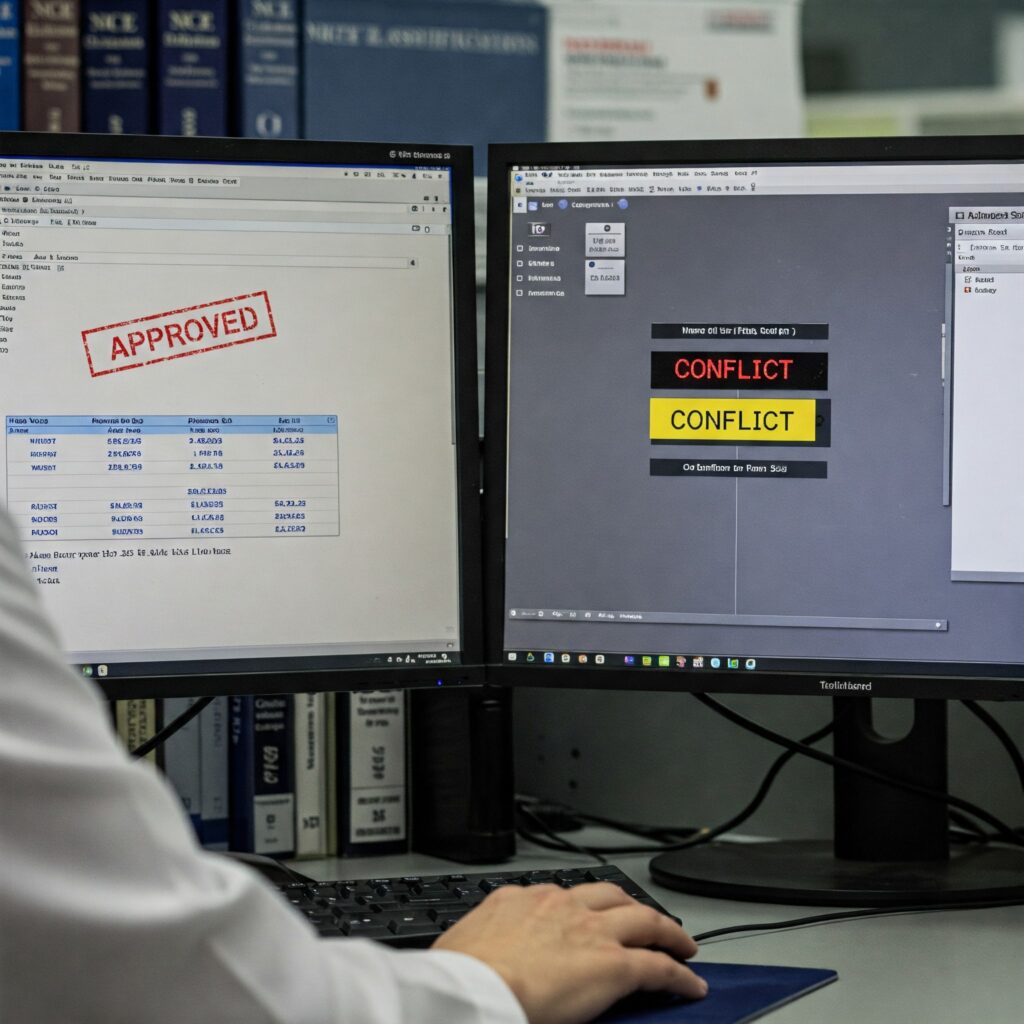
Trademark offices use classes to organize and search for existing trademarks. Selecting the correct class(es) helps avoid conflicts with similar marks in unrelated industries.

3. Ensure Comprehensive Protection
If your business offers multiple products or services, you may need to register your trademark in multiple classes. This ensures comprehensive protection across all areas of your business.

4. Facilitate International Registration
The Nice Classification system is used globally, making it easier to register your trademark in multiple countries. This is especially important if you plan to expand your business internationally.
How to Choose the Right Trademark Classes
Choosing the right trademark classes can be challenging, especially if your business operates in multiple industries. Here’s how to approach the process

1. Identify Your Goods or Services
Make a list of all the products or services your business offers. Be as specific as possible, as this will help you identify the relevant classes.

2. Review the Nice Classification System
Familiarize yourself with the 45 classes and their descriptions. The World Intellectual Property Organization (WIPO) provides a detailed guide to the Nice Classification system.

3. Match Your Goods or Services to the Appropriate Classes
Assign each of your products or services to the relevant class(es). For example:
-
- Clothing: Class 25.
- Software: Class 9.
- Restaurant Services: Class 43.

4. Consider Future Expansion
If you plan to expand your business into new areas, consider registering your trademark in additional classes to protect your brand’s future growth.

5. Consult a Trademark Professional
Selecting the right classes can be complex, especially if your business operates in multiple industries. At LegoMark India, we offer expert guidance to help you identify the correct class(es) for your trademark.
Common Mistakes to Avoid When Selecting Trademark Classes
- Selecting the Wrong Class
Choosing the wrong class can limit your protection or lead to rejection. For example, if you register your trademark for “clothing” (Class 25) but also sell “bags” (Class 18), your trademark won’t protect your bags. - Failing to Register in Multiple Classes
If your business offers multiple products or services, you may need to register your trademark in multiple classes. Failing to do so can leave parts of your business unprotected. - Overlooking International Classes
If you plan to expand globally, you’ll need to register your trademark in the appropriate classes in each country. The Nice Classification system makes this easier, but it’s important to ensure consistency across jurisdictions. - Using Broad or Vague Descriptions
Your application should include specific descriptions of your goods or services. Broad or vague descriptions can lead to objections or limited protection.
Real-Life Examples of Trademark Classes

1. Apple Inc.
Apple’s trademark is registered in multiple classes, including:
-
- Class 9: Computers and software.
- Class 25: Clothing and footwear.
- Class 42: Software development and design services.
2. Coca-Cola
Coca-Cola’s trademark is registered in classes such as:
-
- Class 32: Non-alcoholic beverages.
- Class 35: Advertising and business services.
- Class 43: Restaurant and catering services.
How LegoMark India Can Help
At LegoMark India, we specialize in helping businesses trademark their slogans with precision and expertise. Our services include:

1. Class Identification
Helping you identify the correct class(es) for your goods or services.

2. Application Filing
Ensuring your application includes accurate and specific descriptions.

3. Multi-Class Registration
Assisting with registration in multiple classes for comprehensive protection.

4. International Registration
Guiding you through the process of registering your trademark in multiple jurisdictions.
Conclusion
Trademark classes are a critical component of the trademark registration process. They define the scope of your protection, help avoid conflicts, and ensure comprehensive coverage for your brand. At LegoMark India, we’re here to guide you through every step of the process, from class identification to application filing and enforcement.
Don’t leave your brand’s protection to chance. Let LegoMark India help you choose the right trademark classes and secure the protection your business deserves. Contact us today to get started!