What Happens If Someone Infringes on Your Registered Trademark?
Trademark infringement is a serious issue that can harm your brand’s reputation, dilute your market share, and lead to significant financial losses. If someone uses your trademark without permission, it’s essential to take swift and decisive action to protect your rights. At LegoMark India, we understand the complexities of trademark enforcement and are here to guide you through the process. In this blog, we’ll explore what trademark infringement is, how to identify it, and the steps you can take to enforce your rights effectively.
What is Trademark Infringement?
Trademark infringement occurs when someone uses a mark that is identical or confusingly similar to your registered trademark in connection with goods or services that are related to yours. This unauthorized use can cause confusion among consumers, leading them to believe that the infringing product or service is associated with your brand.
Examples of Trademark Infringement:
- Using a Similar Logo: A competitor uses a logo that closely resembles yours, creating confusion in the marketplace.
- Copying Your Brand Name: Someone uses a name that sounds similar to your trademark, such as “Starbuks” instead of “Starbucks.”
Unauthorized Use in Advertising: A third party uses your trademark in their advertising or packaging without your permission.
How to Identify Trademark Infringement
Identifying trademark infringement requires vigilance and proactive monitoring. Here’s how you can spot potential infringements

1. Monitor the Market
Regularly check online and offline marketplaces for unauthorized use of your trademark. This includes:
-
- Online Marketplaces: Platforms like Amazon, eBay, and Etsy.
- Social Media: Look for unauthorized use of your trademark on platforms like Instagram, Facebook, and Twitter.
- Business Directories: Search for businesses using similar names or logos in your industry.

2. Use Monitoring Tools
At LegoMark India, we offer trademark monitoring services that use advanced tools to scan databases, websites, and social media platforms for potential infringements. These tools alert you to unauthorized use of your mark, allowing you to take action quickly.
3. Look for Consumer Confusion
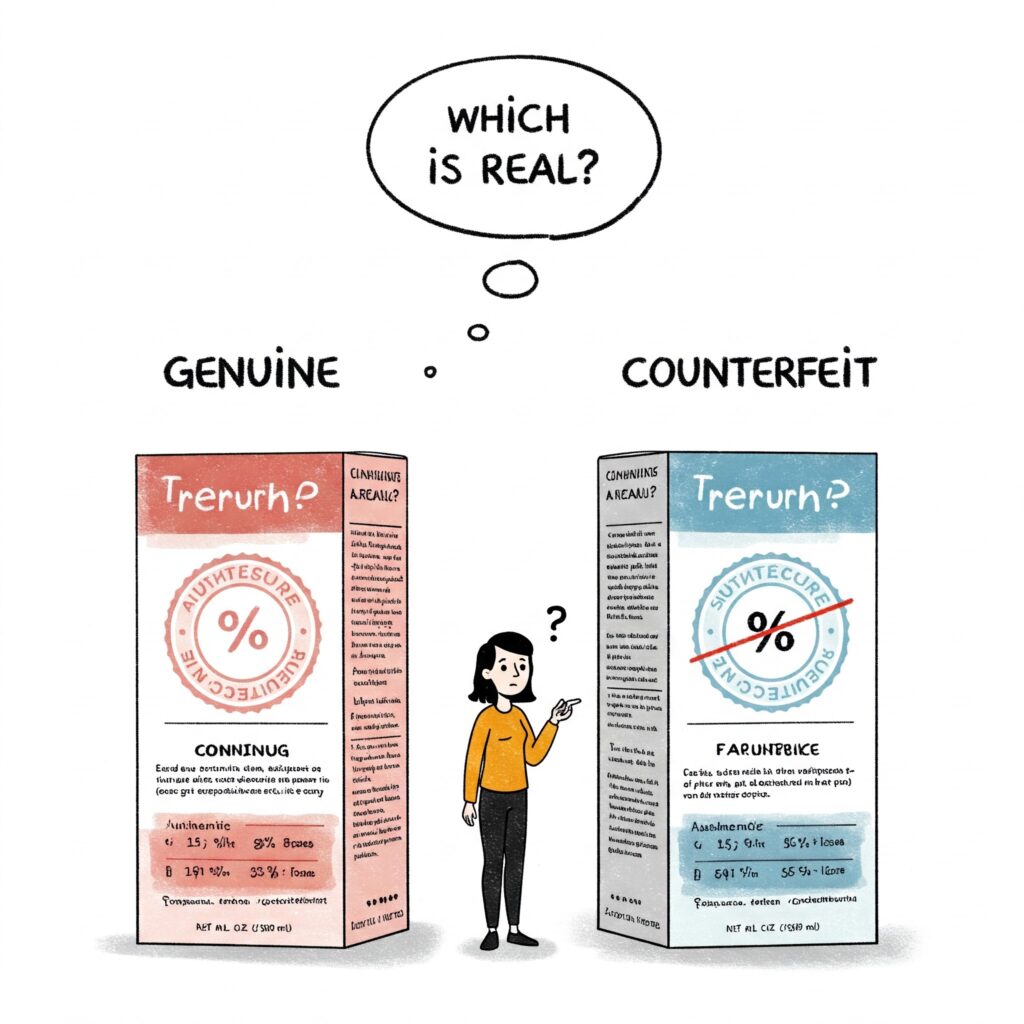
If customers are confused about the source of a product or service, it could indicate infringement. Pay attention to:
-
- Customer complaints or inquiries about products they thought were yours.
- Reviews or comments mentioning confusion between your brand and another.
Steps to Take If Someone Infringes on Your Trademark
If you discover that someone is infringing on your trademark, it’s important to act quickly and strategically. Here are the steps you can take
1. Gather Evidence
Document the infringement with clear and detailed evidence. This may include:
-
- Screenshots of the infringing use.
- Photos of products or packaging.
- Purchase records or receipts.
- Customer testimonials or complaints.

2. Send a Cease-and-Desist Letter
A cease-and-desist letter is a formal notice demanding that the infringer stop using your trademark. It often includes:
-
- A description of your trademark and its registration details.
- Evidence of the infringement.
- A demand to stop the infringing activity immediately.
- A request for compensation or damages (if applicable).

3. Negotiate a Settlement
In some cases, the infringer may be willing to resolve the issue without going to court. This could involve:
-
- Stopping the use of your trademark.
- Paying compensation for damages.
- Signing a licensing agreement to use your trademark legally.

4. File a Lawsuit
If the infringer refuses to comply, you may need to file a lawsuit. This can result in:
-
- Injunction: A court order to stop the infringing activity.
- Monetary Damages: Compensation for lost profits or harm to your brand.
- Destruction of Infringing Goods: The court may order the infringer to destroy products or materials that use your trademark.
Real-Life Examples of Trademark Infringement

1. Apple vs. Samsung
The global battle between Apple and Samsung over design patents and trademarks highlights the importance of protecting your intellectual property. Apple’s trademarked designs and logos are central to its brand identity, and the company has aggressively defended them in court.

2. McDonald’s vs. Supermac’s
McDonald’s successfully opposed Supermac’s attempt to register its name in the EU, citing potential confusion with its “Mc” prefix. This case underscores the importance of trademark protection in maintaining brand exclusivity.

3. Adidas vs. Payless
Adidas won a $305 million lawsuit against Payless for selling shoes with similar stripes, which infringed on Adidas’s trademarked three-stripe design. This case demonstrates the financial and legal consequences of trademark infringement.
How LegoMark India Can Help
Enforcing your trademark rights can be complex and time-consuming, but you don’t have to do it alone. At LegoMark India, we offer comprehensive support for trademark enforcement, including

1. Trademark Monitoring
Our advanced monitoring tools scan databases, websites, and social media platforms to identify potential infringements. We’ll alert you to unauthorized use of your mark, allowing you to take action quickly.
2. Cease-and-Desist Letters
We draft and send professional cease-and-desist letters on your behalf, ensuring they are legally sound and effective.

3. Legal Representation
If the case goes to court, our experienced attorneys will represent you and fight to protect your rights.

4. Settlement Negotiations
We’ll help you negotiate a fair settlement that resolves the issue without the need for litigation.
Conclusion
Trademark infringement can have serious consequences for your brand, but you don’t have to face it alone. At LegoMark India, we’re here to help you enforce your rights and protect your brand’s integrity. From monitoring for infringements to representing you in court, we provide end-to-end support to safeguard your trademark.
Don’t let infringers take advantage of your hard work. Contact LegoMark India today to ensure your trademark is protected and enforced.