Can You Trademark a Color? Understanding Non-Traditional Trademarks

When we think of trademarks, we often think of logos, brand names, or slogans. But did you know that you can also trademark a color? Non-traditional trademarks, such as colors, sounds, and shapes, offer unique ways to protect your brand’s identity. At LegoMark India, we’re here to help you understand the possibilities and challenges of trademarking a color. In this blog, we’ll explore what non-traditional trademarks are, how to trademark a color, and why it might be a valuable strategy for your business.
What Are Non-Traditional Trademarks?
Non-traditional trademarks go beyond the conventional logos, names, and slogans. They include:
- Colors: A specific color or combination of colors used in connection with your brand.
- Sounds: A distinctive sound or jingle associated with your brand.
- Shapes: The unique shape of a product or packaging.
- Scents: A distinctive scent used in connection with your products.
- Motion Marks: A specific movement or animation associated with your brand.
These trademarks are less common but can be highly effective in creating a strong brand identity.
Can You Trademark a Color?

1. Distinctiveness
The color must be distinctive and closely associated with your brand. It should not be functional or necessary for the use of the product. For example:
-
- Tiffany Blue: The specific shade of blue used by Tiffany & Co. is a registered trademark.
- Cadbury Purple: Cadbury has trademarked the specific shade of purple used in its packaging.

2. Secondary Meaning
The color must have acquired a secondary meaning, meaning consumers associate it specifically with your brand. This requires extensive use and marketing over time.

3. Non-Functional
The color cannot serve a functional purpose. For example, you cannot trademark the color red for stop signs because it serves a functional purpose in traffic control.
Steps to Trademark a Color

1. Conduct a Trademark Search
Before filing your application, conduct a thorough search to ensure your color is unique and not already in use. This involves:
-
- Searching the Indian Trademark Registry’s database for registered and pending trademarks.
- Checking common law sources, such as business directories and social media platforms, for unregistered trademarks.
At LegoMark India, we offer comprehensive trademark search services to identify potential conflicts and ensure your color is available for registration.

2. Establish Distinctiveness
To trademark a color, you must prove that it has acquired distinctiveness through extensive use and marketing. This may involve:
-
- Providing evidence of long-term use.
- Conducting consumer surveys to show that the color is associated with your brand.
3. File the Application
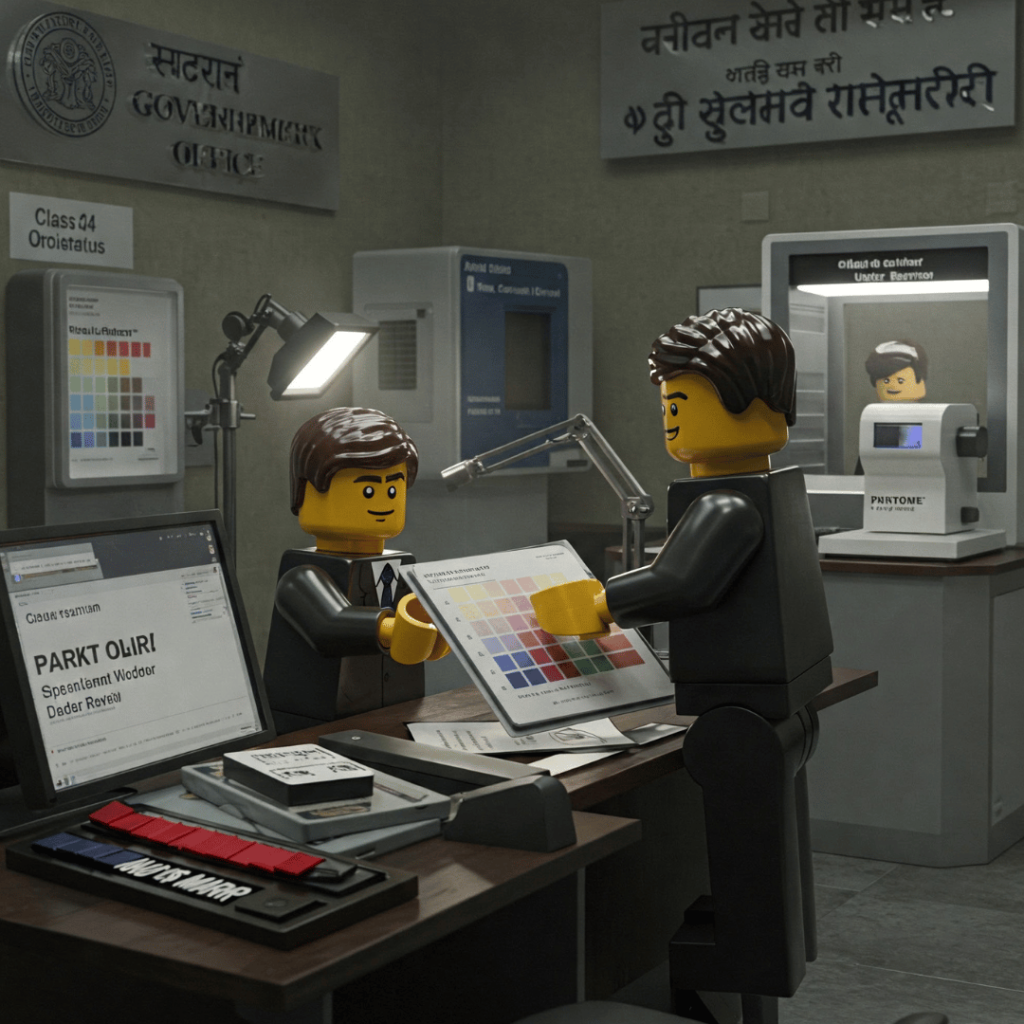
Once you’ve established distinctiveness, you can file your trademark application. Here’s what you’ll need:
-
- A Clear Representation of the Color: Provide a precise description and sample of the color.
- Description of Goods or Services: Specify the goods or services the color represents.
- Trademark Class: Identify the appropriate class(es) for your goods or services.
At LegoMark India, we handle the entire application process for you, ensuring it is accurate and filed correctly.

4. Respond to Office Actions
After filing your application, the trademark office may issue an office action if they have questions or concerns. This could involve:
-
- Requesting additional evidence of distinctiveness.
- Asking you to clarify the description of goods or services.
- Notifying you of potential conflicts with existing trademarks.
Our team will help you respond to office actions promptly and effectively, increasing your chances of approval.

5. Monitor and Enforce Your Trademark
Once your color is registered, it’s important to monitor for potential infringements and take action when necessary. This includes:
-
- Watching for unauthorized use of your color.
- Sending cease-and-desist letters to infringers.
- Filing lawsuits if necessary to enforce your rights.
At LegoMark India, we offer trademark monitoring services to help you protect your color and maintain its exclusivity.
Challenges of Trademarking a Color
- Proving Distinctiveness
Establishing that a color has acquired distinctiveness can be difficult and time-consuming. It requires extensive evidence of use and consumer recognition. - Functional Limitations
If the color serves a functional purpose, it cannot be trademarked. For example, you cannot trademark the color green for lawn care products because it is functional. - Scope of Protection
Trademark protection for a color is limited to the specific goods or services it represents. It does not grant you exclusive rights to the color in all contexts.
Real-Life Examples of Trademarked Colors
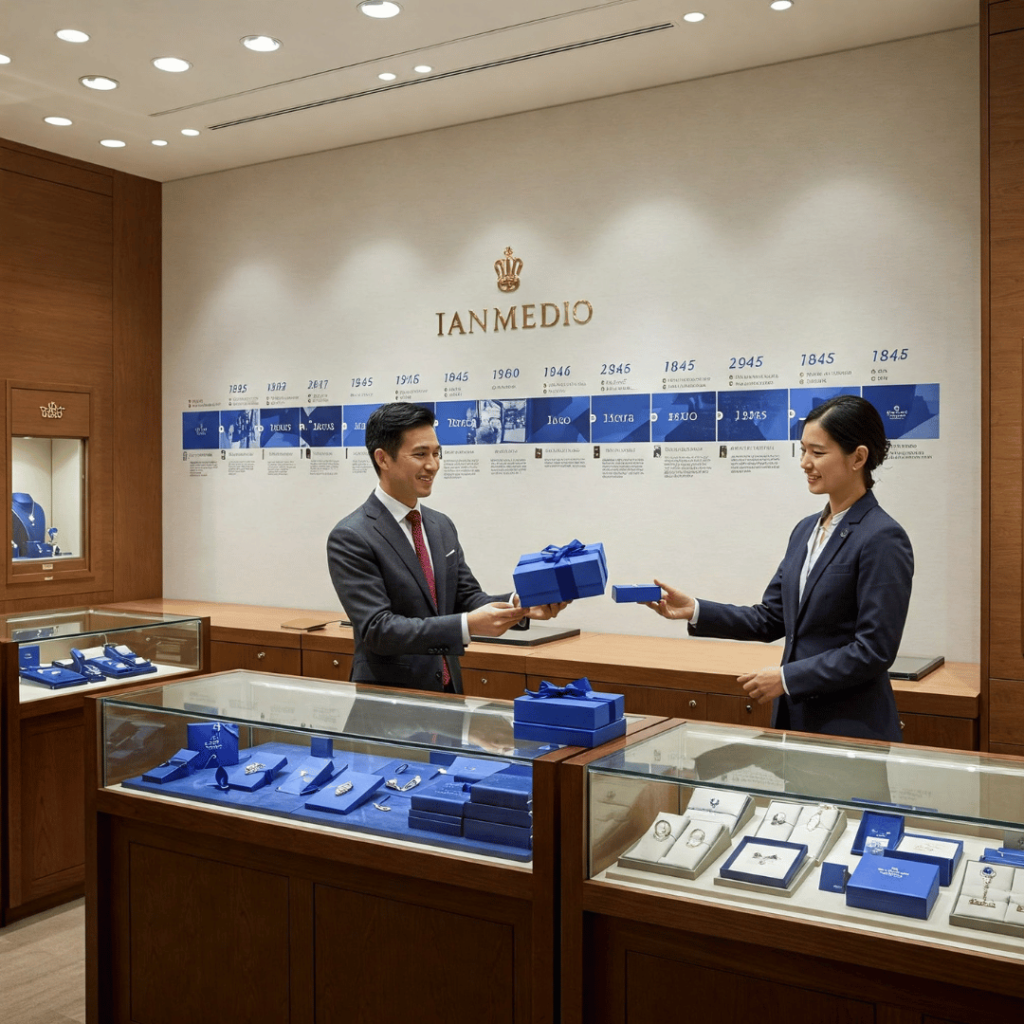
1. Tiffany Blue
The specific shade of blue used by Tiffany & Co. is a registered trademark. It is closely associated with the brand’s luxury jewelry and packaging
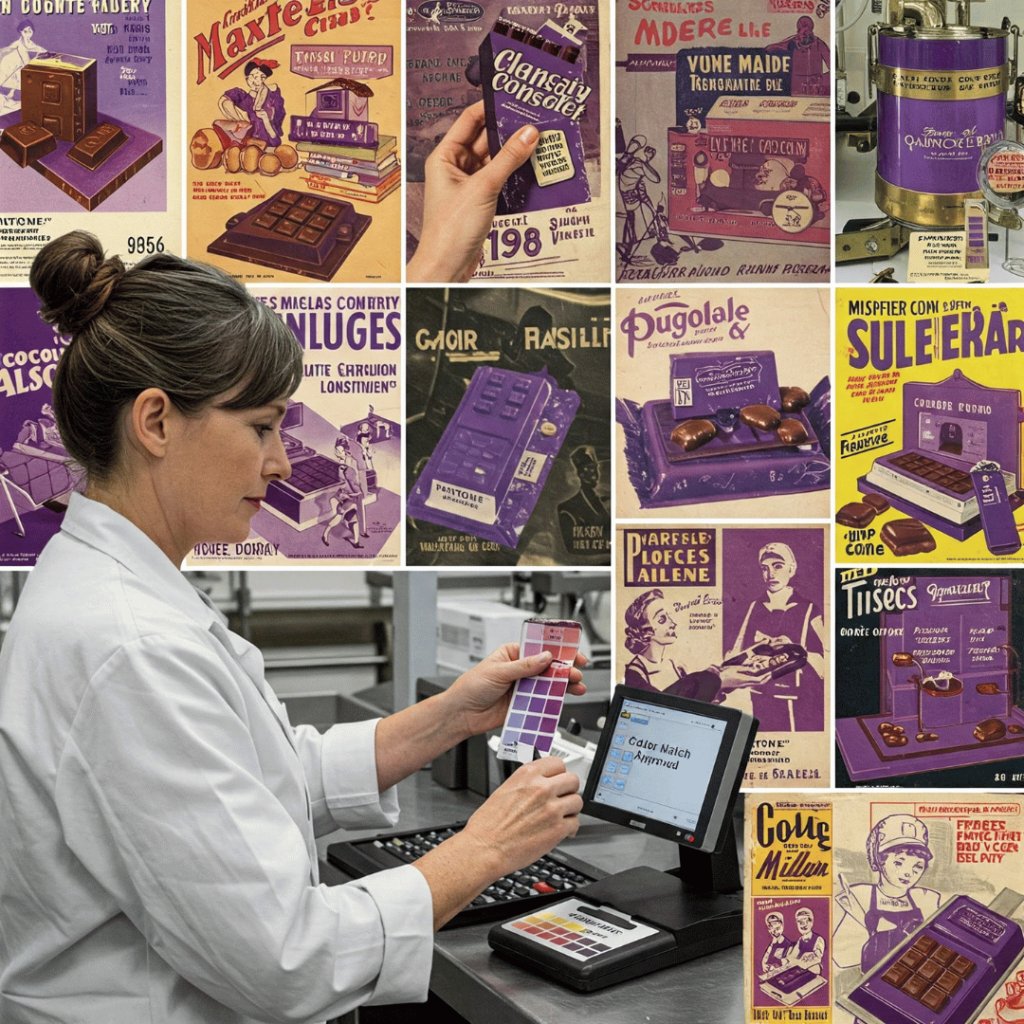
2. Cadbury Purple
Cadbury has trademarked the specific shade of purple used in its packaging. The color is synonymous with the brand’s chocolate products.
How LegoMark India Can Help
At LegoMark India, we specialize in helping businesses navigate the complexities of non-traditional trademarks. Our services include:

1. Trademark Search
Conducting comprehensive searches to ensure your color is unique.

2. Application Filing
Handling the entire application process, from drafting to submission.

3. Office Action Responses
Assisting with responses to ensure your application is approved.

4. Trademark Monitoring
Alerting you to potential infringements and helping you enforce your rights.

5. International Registration
Guiding you through the process of registering your trademark in multiple jurisdictions.
Conclusion
Trademarking a color is a powerful way to protect your brand’s identity and create a strong visual association with your products or services. While the process can be challenging, the benefits are well worth the effort. At LegoMark India, we’re here to guide you through every step of the process, from search to registration and enforcement.
Don’t let others copy your brand’s unique identity. Let LegoMark India help you trademark your color with confidence. Contact us today to get started!